#1 Efficiency Maine Spray Foam Insulation Company

Serving Southern and Coastal Maine

#1 Efficiency Maine Spray Foam Insulation Company

Serving Southern and Coastal Maine

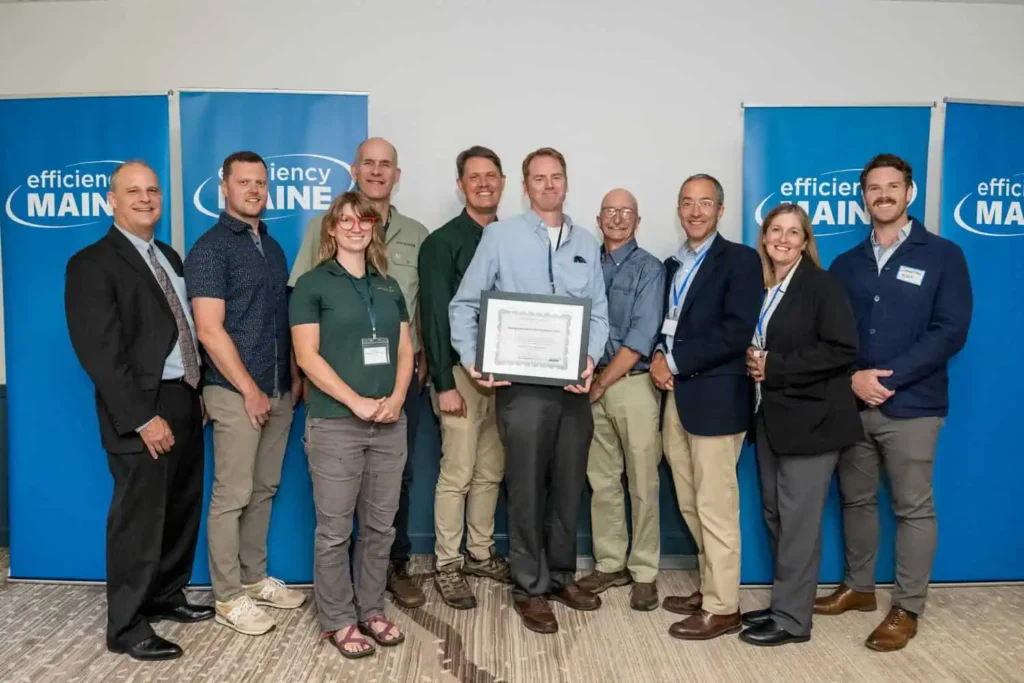
Last year, we helped more homeowners install insulation using Efficiency Maine rebates than any other Maine insulation company. 6,000+ projects completed since 2006.

Three simple steps to work with a top spray foam insulation contractor

1. Schedule a consultation

Call (248) 291-7815 to schedule a free consultation or energy audit. We’ll evaluate your home, identify areas where spray foam makes sense, and explain available pricing options, timelines, and potential Efficiency Maine rebates.

2. Install strategically

Our licensed team installs spray foam insulation in basements and other key areas where it performs best. We ensure proper thickness, manage installation carefully, and complete the work so your home is comfortable and ready for lasting performance.

3. Confirm performance

After installation, we confirm insulation coverage, depth, and overall performance to ensure everything meets expectations. We also help finalize rebate and incentive paperwork so you receive every available dollar.

There are lots of spray foam insulation companies out there

See why homeowners in Southern and Coastal Maine choose Evergreen

Google 5 stars

Read more Google reviews for our teams in Portland and Rockland

Any questions about spray foam insulation for your Maine home?

Send us a message, or join our weekly newsletter. You’ll be the first to know about rebate changes, special offers, and seasonal tips to improve comfort and reduce energy costs.

Where does spray foam make sense in older Maine homes?

Spray foam insulation can be a valuable tool in retrofit situations, especially in older homes with foundation and air leakage challenges. In attics, our first approach is usually dense-pack cellulose, but spray foam may be recommended where moisture control, air sealing, and durability are especially important.

Basement foundation walls

In many older Maine homes, spray foam is most useful on basement foundation walls. Applied at controlled thickness, it helps reduce drafts, improve comfort, and support waterproofing systems. Spray foam is typically followed by protective coatings and vapor control layers to create a durable, healthy basement environment.

Attic slopes and targeted areas

Spray foam may also be used on attic slopes or in specific problem areas where air sealing is critical.

In most cases, we recommend dense-pack cellulose for attic floors, using spray foam selectively where it provides the greatest benefit without unnecessary material use.

Let’s talk about your home.

Reach out today →

Google 5 stars
About you
Full Property Address
How can we help?
Newsletter Signup

Real results from homeowners like you

Keep exploring our case studies

Where do you install spray foam insulation?

Southern and Coastal Maine

service area map - southern and coastal maine

We install spray foam insulation for homeowners across Southern and Coastal Maine, typically within about a 45-minute drive of our Portland and Rockland offices.

Check out our latest attic insulation articles

Read more articles about installing insulation in Maine

Common questions about Maine spray foam insulation

Getting started with spray foam insulation

Spray foam insulation is applied as a liquid that expands into a solid insulating and air sealing layer. Spray foam is most often used in basements, rim joists, and targeted attic areas where controlling airflow and moisture is especially important.

Spray foam is most commonly used on basement foundation walls and in specific air leakage areas. In older Maine homes, these locations often contribute to drafts, cold floors, and moisture problems. Spray foam can improve comfort and durability when used strategically as part of a larger insulation and waterproofing system. Our free home consult will walk through your concerns and pinpoint exactly where spray foam insulation makes the most sense.

In many older homes, yes – when used selectively. Spray foam is especially effective on foundation walls and irregular surfaces where other insulation cannot perform as well. For attic floors and open cavities, dense-pack cellulose is often the better and more cost-effective solution. At Evergreen, we use professional thermal imaging and blower door testing in every energy audit to determine exactly where insulation is missing and how much comfort and savings you could gain.

Spray foam insulation for basements and attics

Basement foundation walls are a common source of heat loss, drafts, and moisture issues in older Maine homes. Spray foam provides both insulation and air sealing in one application, helping improve comfort and supporting long-term moisture control. It is often installed as part of a larger basement improvement system that includes vapor control and waterproofing measures.

Spray foam is typically integrated into a complete basement system that may include protective coatings and vapor control layers. This helps ensure durability, safety, and long-term performance. The goal is to create a clean, dry, and comfortable basement environment.

Spray foam is typically installed at controlled thicknesses, often around two to three inches depending on the application. This allows for strong performance while ensuring proper installation and long-term durability.

Not usually. In most cases, attic floors can be insulated effectively with dense-pack cellulose. Spray foam may be used on attic slopes or in specific problem areas, but it is typically not necessary across the entire attic.

No. We use spray foam selectively, where it solves specific problems better than other insulation types. In many Maine homes, dense-pack cellulose is the preferred solution for attics and walls. Spray foam is most often used on basement foundation walls and targeted air leakage areas where its air sealing and moisture control properties provide the greatest benefit.

Health, safety, and indoor air quality

When installed properly and used in the right locations, spray foam is safe and effective. Careful installation, proper ventilation, and attention to building assembly details are essential. We actively manage spray foam projects to ensure quality and protect indoor air quality.

When installed properly and used in the right locations, spray foam can help improve indoor air quality by reducing uncontrolled air leakage from basements and crawlspaces. 

During installation and the initial curing period, occupants and pets should remain out of the home as a precaution. We actively manage spray foam projects to ensure proper ventilation, controlled application thickness, and safe integration with the home’s air and vapor control systems.

We use spray foam strategically and actively manage the installation process to ensure quality and safety. This includes proper ventilation, controlled application thickness, and careful integration with the home’s air and moisture control systems. Our goal is to improve comfort and durability while protecting indoor air quality.

Spray foam can be an effective insulation material, but it also has higher embodied carbon than some alternatives. That is one reason we use it selectively. In many cases, dense-pack cellulose, which is made from recycled materials, is the preferred solution. Spray foam is recommended where its performance benefits clearly outweigh the alternatives.

Cost, installation, and choosing the right approach

Costs vary depending on the area being insulated and the scope of work. Spray foam is typically more expensive than cellulose, which is why we recommend it selectively where it provides the greatest benefit. Scheduling your free consultation will help determine the right approach for your home and budget.

The best insulation depends on your home’s construction, moisture conditions, and comfort goals. In many cases, the best results come from combining air sealing, cellulose insulation, and targeted spray foam. Give us a call at (207) 594-2244 to determine the best approach – Evergreen’s thorough home assessment helps identify where spray foam makes sense and where other solutions will perform better.

Portland Buy Local
Efficiency Maine
EPA Lead-Safe Certified
Building Performance Association
BPI Certified